
 FA
FA
Hysteroscopy

Hysteroscopy is a minimally invasive procedure that allows doctors to examine the inside of the uterus using a thin, lighted telescope called a hysteroscope. This procedure is used for both diagnostic and therapeutic purposes in gynecology.
Purpose of Hysteroscopy:
Diagnostic Hysteroscopy:
To investigate abnormal uterine bleeding
To detect uterine abnormalities such as polyps, fibroids, adhesions, or congenital anomalies
To evaluate causes of infertility or recurrent pregnancy loss
Operative (Therapeutic) Hysteroscopy:
Removal of uterine polyps or fibroids
Treatment of adhesions (Asherman’s syndrome)
Removal of retained products of conception
Correction of uterine septum or congenital malformations
Procedure:
A hysteroscope is gently inserted through the vagina and cervix into the uterus.
Distention of the uterine cavity is achieved using saline or carbon dioxide to provide clear visualization.
The doctor examines the uterine lining and may perform surgical interventions if necessary.
The procedure is usually outpatient, with local, regional, or general anesthesia depending on the complexity.
Advantages of Hysteroscopy:
Minimally invasive with short recovery time
Precise diagnosis of intrauterine problems
Allows simultaneous treatment during the same procedure
Reduces the need for open surgery
Improves outcomes in fertility treatments and recurrent miscarriage management
Indications for Hysteroscopy:
Abnormal uterine bleeding
Infertility or repeated IVF failure
Suspected uterine polyps, fibroids, or adhesions
Congenital uterine anomalies
Retained tissue after miscarriage or childbirth
Laparoscopy
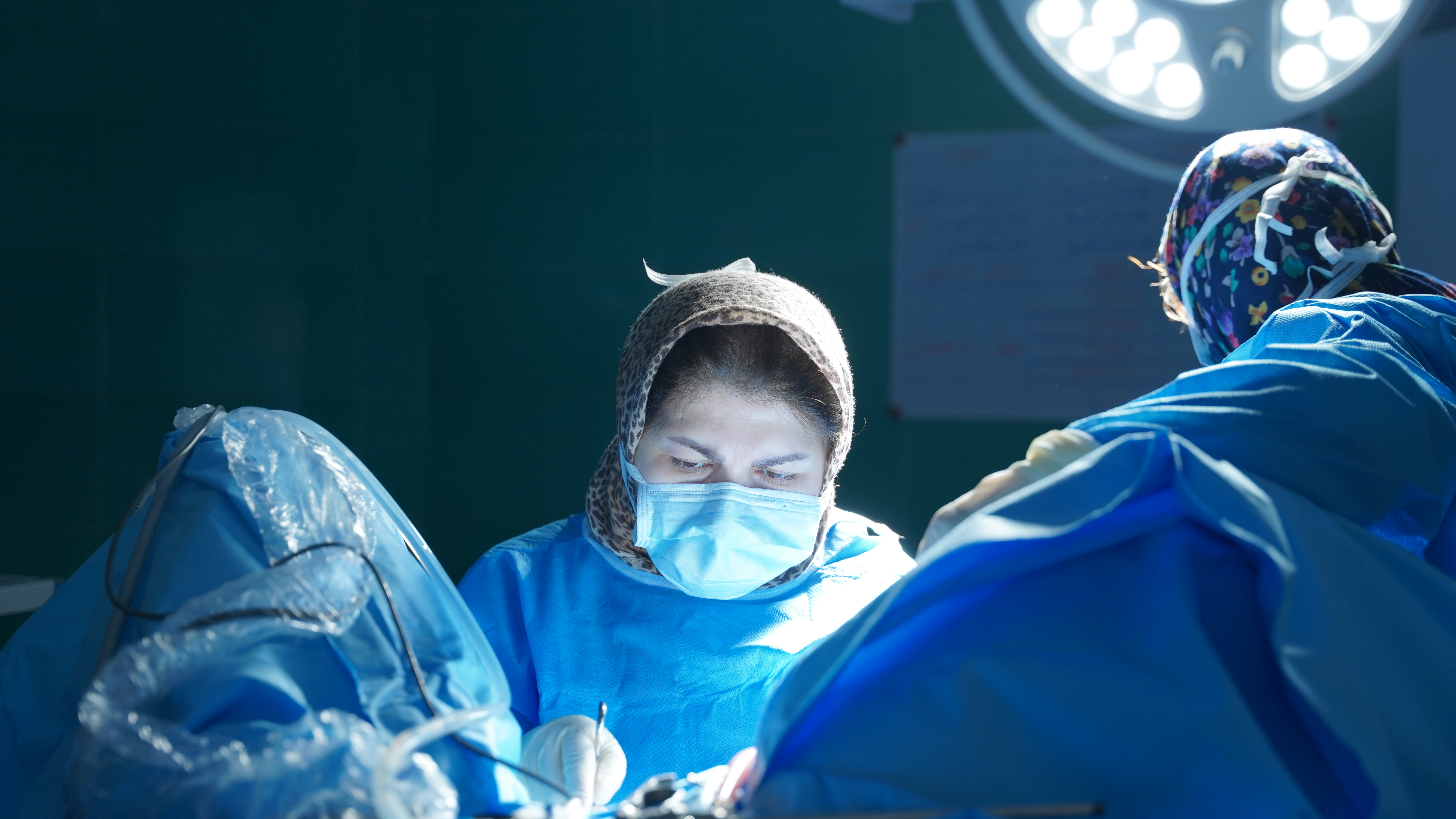
Laparoscopy is a minimally invasive surgical procedure that allows doctors to examine and treat organs within the abdominal and pelvic cavity using a thin, lighted tube called a laparoscope. In gynecology, laparoscopy is commonly used for both diagnostic and therapeutic purposes related to female reproductive health.
Purpose of Laparoscopy:
Diagnostic Laparoscopy:
Evaluate causes of infertility
Investigate chronic pelvic pain
Diagnose endometriosis, ovarian cysts, or pelvic adhesions
Examine uterine, ovarian, and fallopian tube structure
Therapeutic (Operative) Laparoscopy:
Removal of ovarian cysts, fibroids, or endometriotic lesions
Tubal surgery, including repair or removal of blocked tubes
Hysterectomy or myomectomy in selected cases
Treatment of ectopic pregnancy
Removal of pelvic adhesions
Procedure:
Small incisions (usually 0.5–1 cm) are made in the abdomen.
The abdomen is inflated with carbon dioxide gas to create space for visualization.
A laparoscope is inserted to view the pelvic and abdominal organs.
Additional instruments may be inserted through other small incisions for surgical interventions.
The procedure is usually performed under general anesthesia.
Advantages of Laparoscopy:
Minimally invasive with smaller scars
Shorter recovery time compared to open surgery
Less postoperative pain and faster return to normal activities
Allows both diagnosis and treatment in the same procedure
Improves outcomes in fertility treatments and management of gynecological disorders
Indications for Laparoscopy:
Infertility evaluation
Endometriosis or ovarian cysts
Chronic pelvic pain
Ectopic pregnancy
Pelvic adhesions or scarring
Selected cases of fibroids or uterine surgery